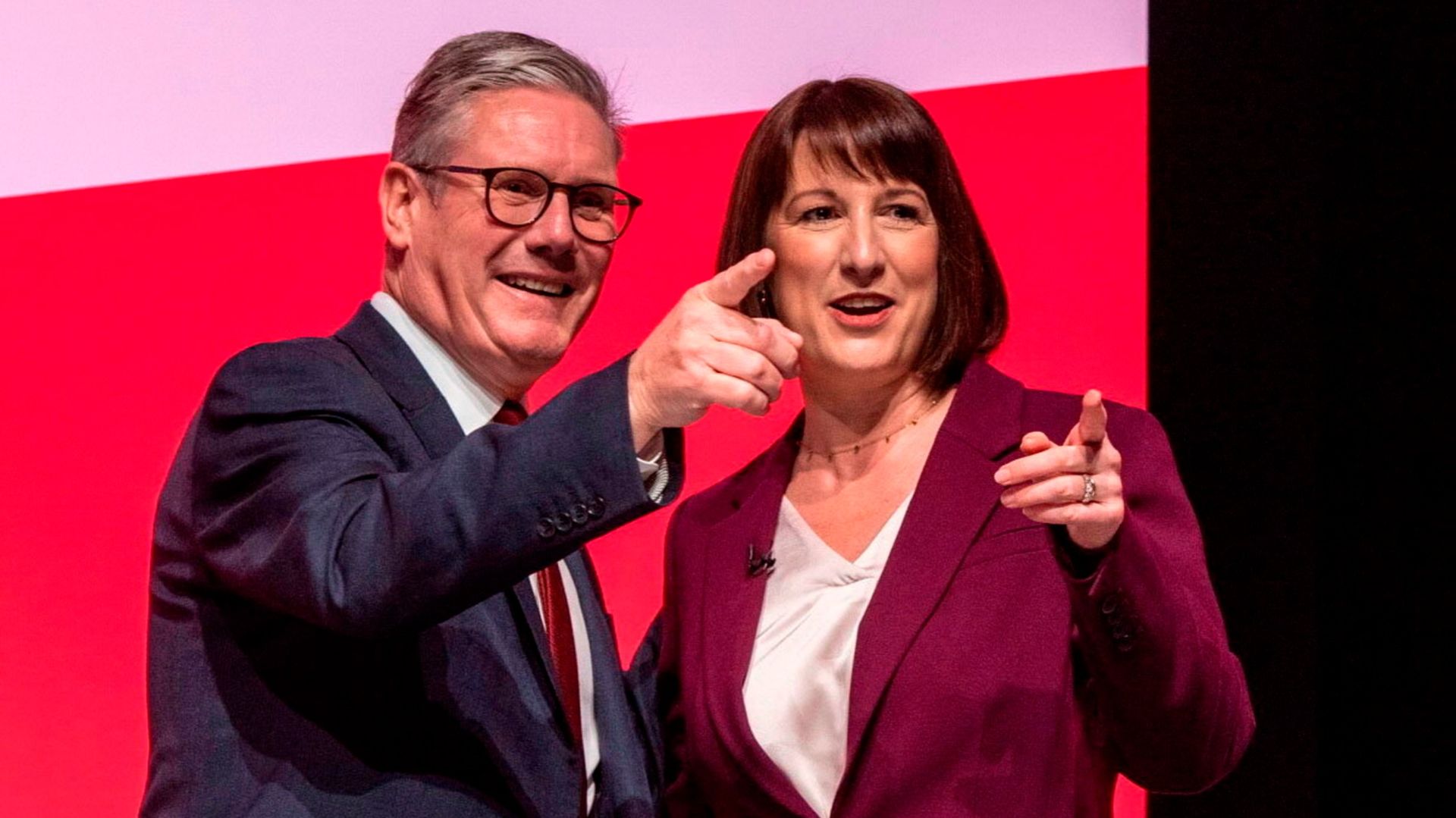
Governments do not usually need a reset after barely 12 weeks in office. But Britain’s Labour party went into what ought to have been a celebratory conference this week with its approval ratings, and consumer confidence, both tumbling thanks to political mis-steps and excessively gloomy messaging since its landslide victory in July. Speeches that were somewhat more upbeat and sure-footed from chancellor Rachel Reeves and Prime Minister Sir Keir Starmer may help to stabilise the government. More work lies ahead, however, to get its project back on the rails.
The first step must be for Starmer to “take back control” — and bring to government the discipline that defined Labour’s election campaign. Vacancies in key Downing Street positions should be quickly filled. The prime minister needs a capable and trusted top team to begin serious policy delivery and make nimbler political judgments. Ministers may deem the recent furore over accepting “freebies” such as clothing a petty issue, especially after Tory-era excesses. But they underestimated the damage to public perceptions.
A second priority is to hone the communications strategy. Two years after Liz Truss’s disastrous mini-budget, and given historical market mistrust of Labour, the government has to pursue its commitment to fiscal discipline. But it should also avoid an undue pessimism that unsettles businesses, investors and households. The chancellor’s hint this week that she would tweak the government’s fiscal rules to allow higher capital expenditure was a welcome leavening of the message.
The prime minister’s vow, meanwhile, to be honest about the difficult trade-offs of governing was in many ways refreshing after years of Tory “cakeism”. A readiness to make unpopular decisions rather than offer deceptive but easy answers is a counter to rightwing populists. But trade-offs should be chosen with care. Agreeing costly pay settlements with rail unions — even as the government ends payments to pensioners for winter fuel — will seem questionable to many.
Starmer the forensic ex-prosecutor should not underestimate what Bill Clinton called the “vision thing”. A government whose electoral victory rested on an unusually narrow portion of the vote still has to communicate more clearly the essence of its purpose. The prime minister went some way with his talk of a future-facing NHS, secure borders, clean energy, and new homes, roads and schools. But he needs to pull the strands together into a Big Idea.
When it comes to a key thread of his speech — the need for a more active government in Britain — Labour should tread carefully. The UK does require a government that ensures hospitals, prisons and housing are built, and trains made to work, and invests where necessary. But often this should be in conjunction with private business and funding. The goal must be to create the infrastructure for investment and entrepreneurialism to thrive so that growth can take off — but without overweening interference.
Starmer’s Labour was embraced by many businesses in the run-up to the election. They appreciate stability and a growth agenda. But they need to see more commitment to the needs of private enterprise. A coming package on employee rights, which many companies fear will tilt the balance too far towards workers, will be a key test.
An investment summit and Labour’s first Budget next month will provide further opportunities to reassure business. After again ruling out tax rises for “working people”, the government must avoid placing a stifling burden on wealth generators and scaring away investors. The woeful Conservative legacy means business, like the rest of the country, needs Labour’s project to succeed.